American Wake // A transnational monument honoring a migration that asks two kinds of courage
American Wake: Filleadh
In nineteenth-century Ireland, when someone left for America, their community held an American wake — a night of music, grief, and gathering for a person who was still alive, because everyone understood the leaving was permanent. The ocean was a kind of death. The distance would not be crossed again. What that wake mourned in one night, the family left behind kept mourning for generations — an absence with no funeral, no grave to visit, just a name that turned into a story, and a story that thinned with each retelling.
On the other side of that same ocean, the grief took a different shape. It became the quiet of people who rarely spoke of what they'd left, because to speak of it was to feel it. It became children who grew up sensing a sorrow they couldn't name, in a house that held two countries at once. It became courage disguised as ordinary life — the courage it took to organize a union in a copper mining town, to raise a family in a language and a landscape that were not your own, to keep going when going back was never an option.
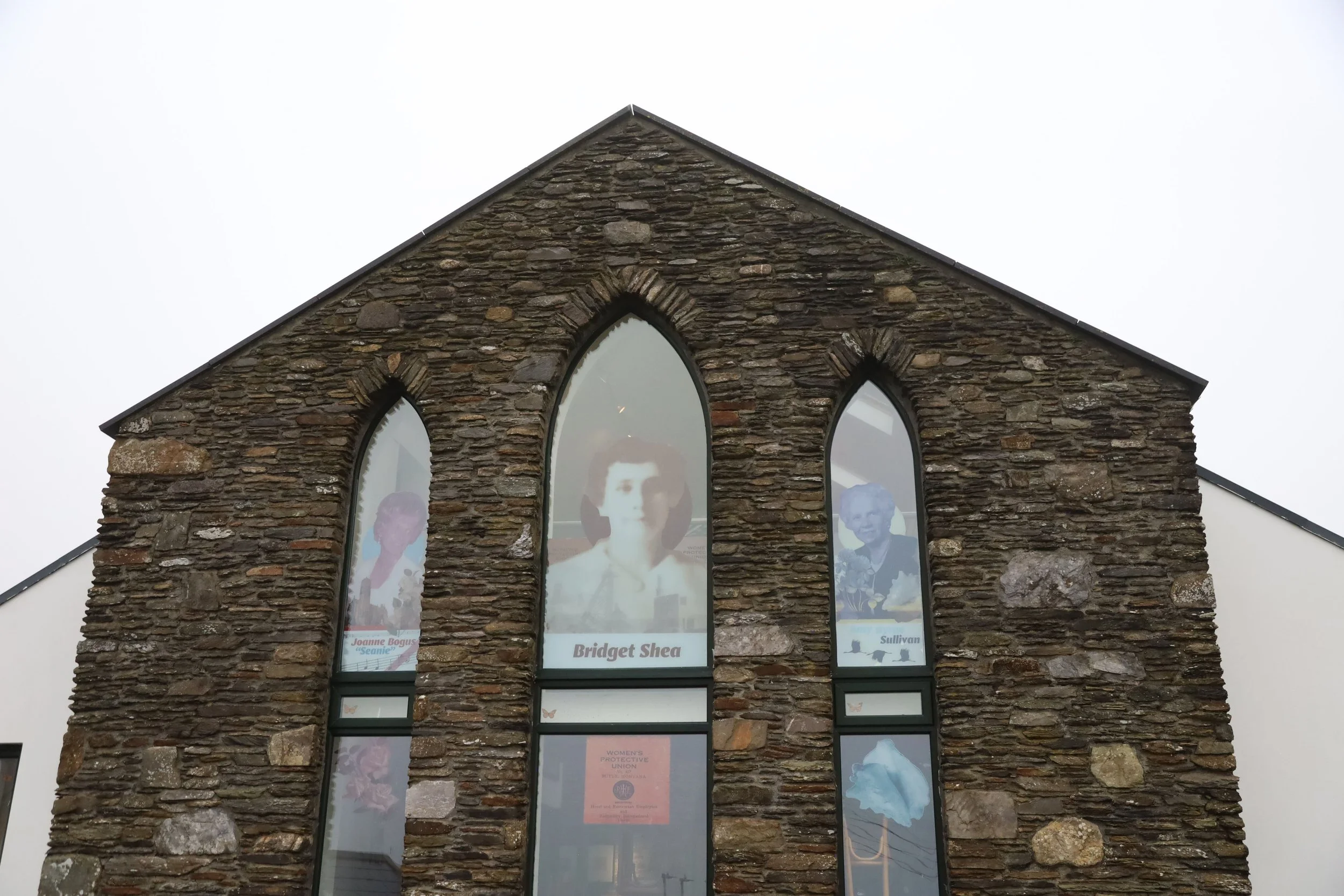
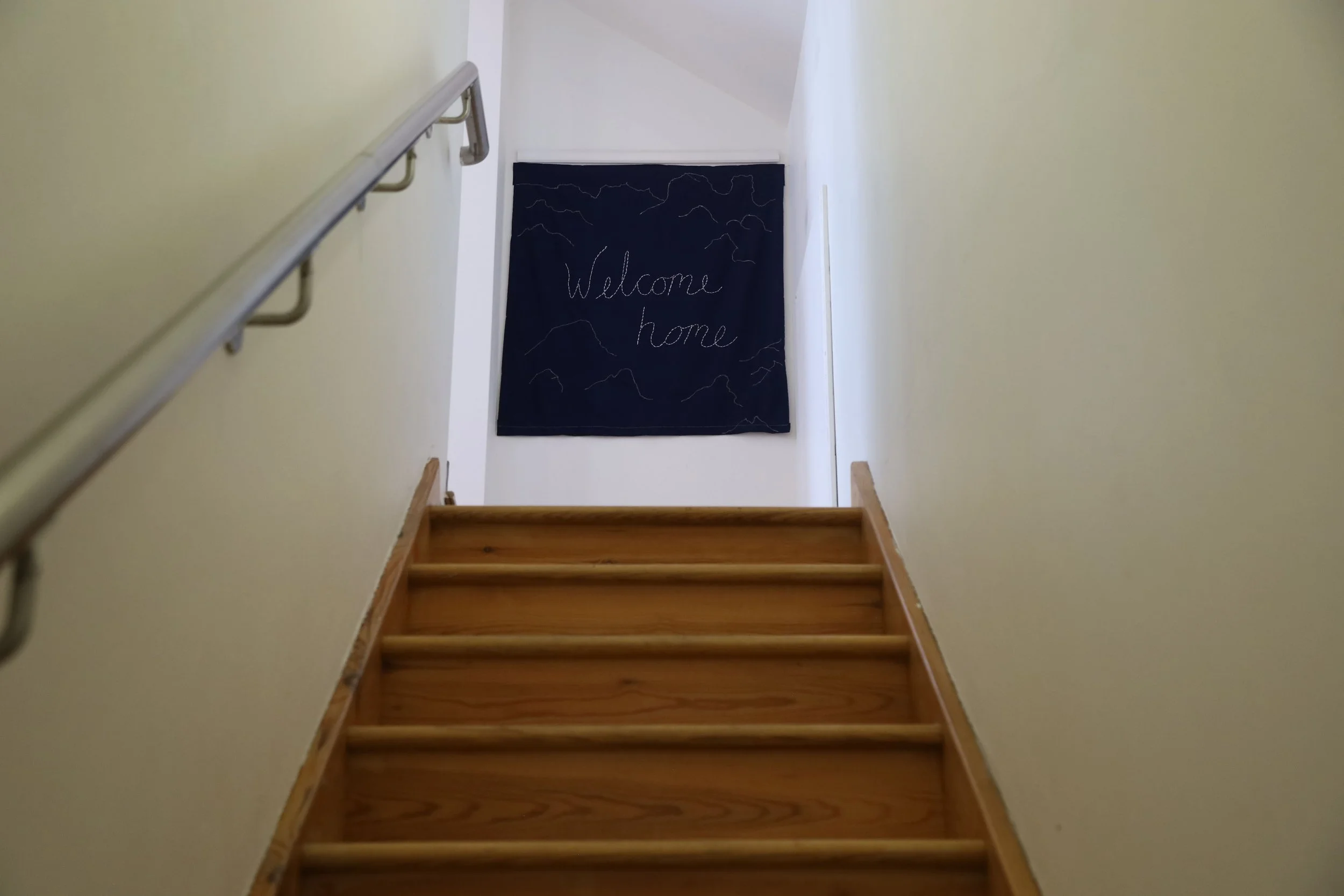
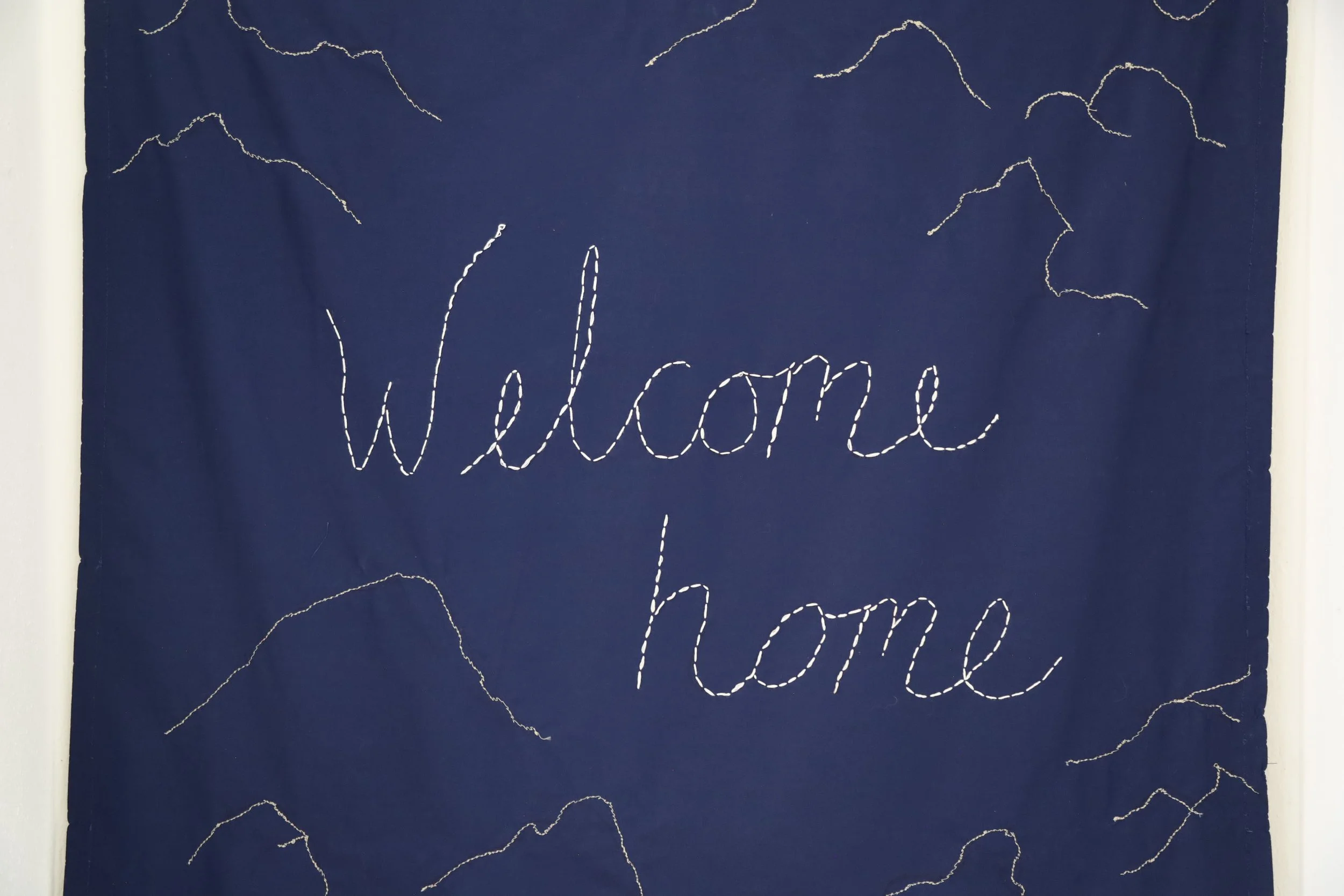
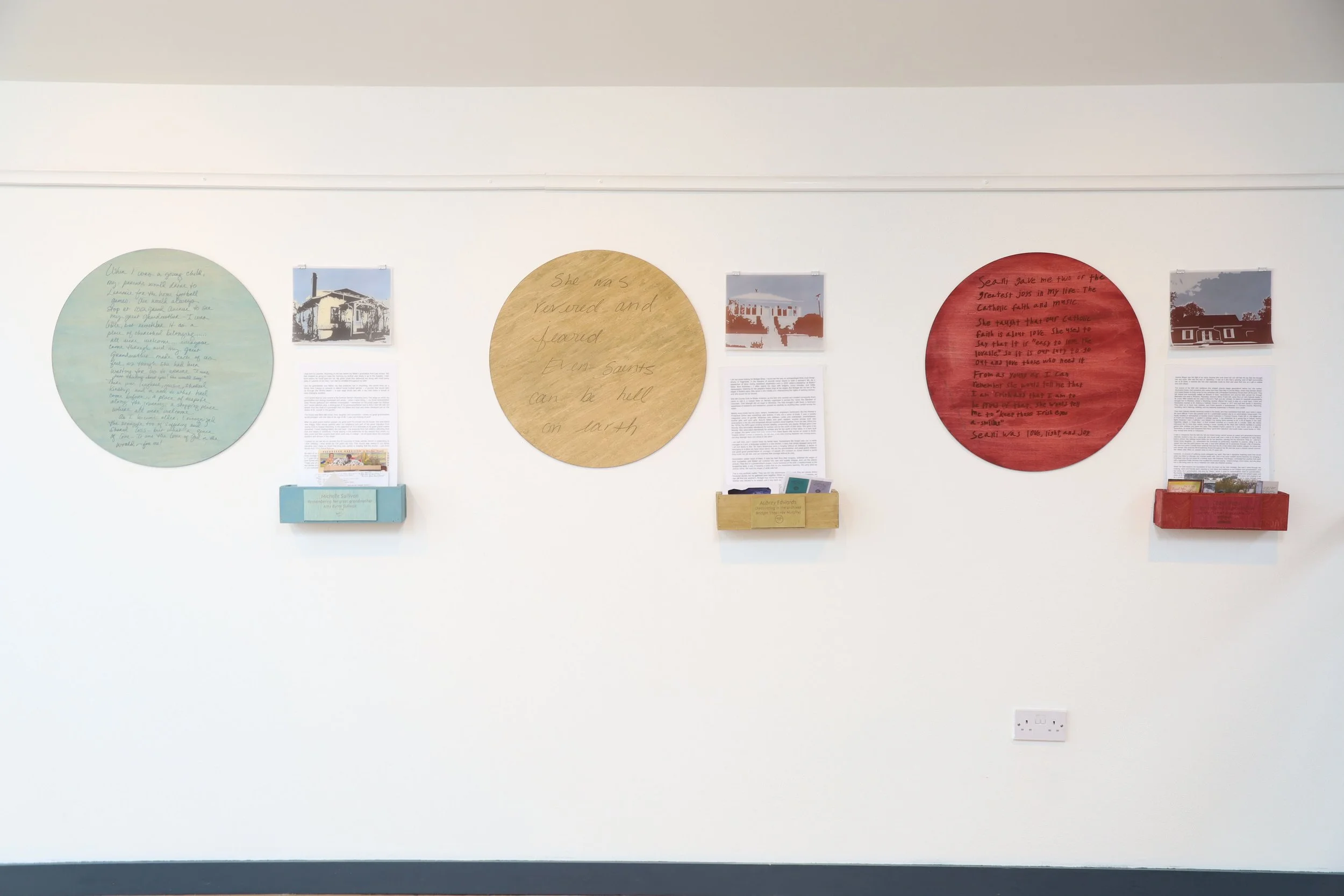
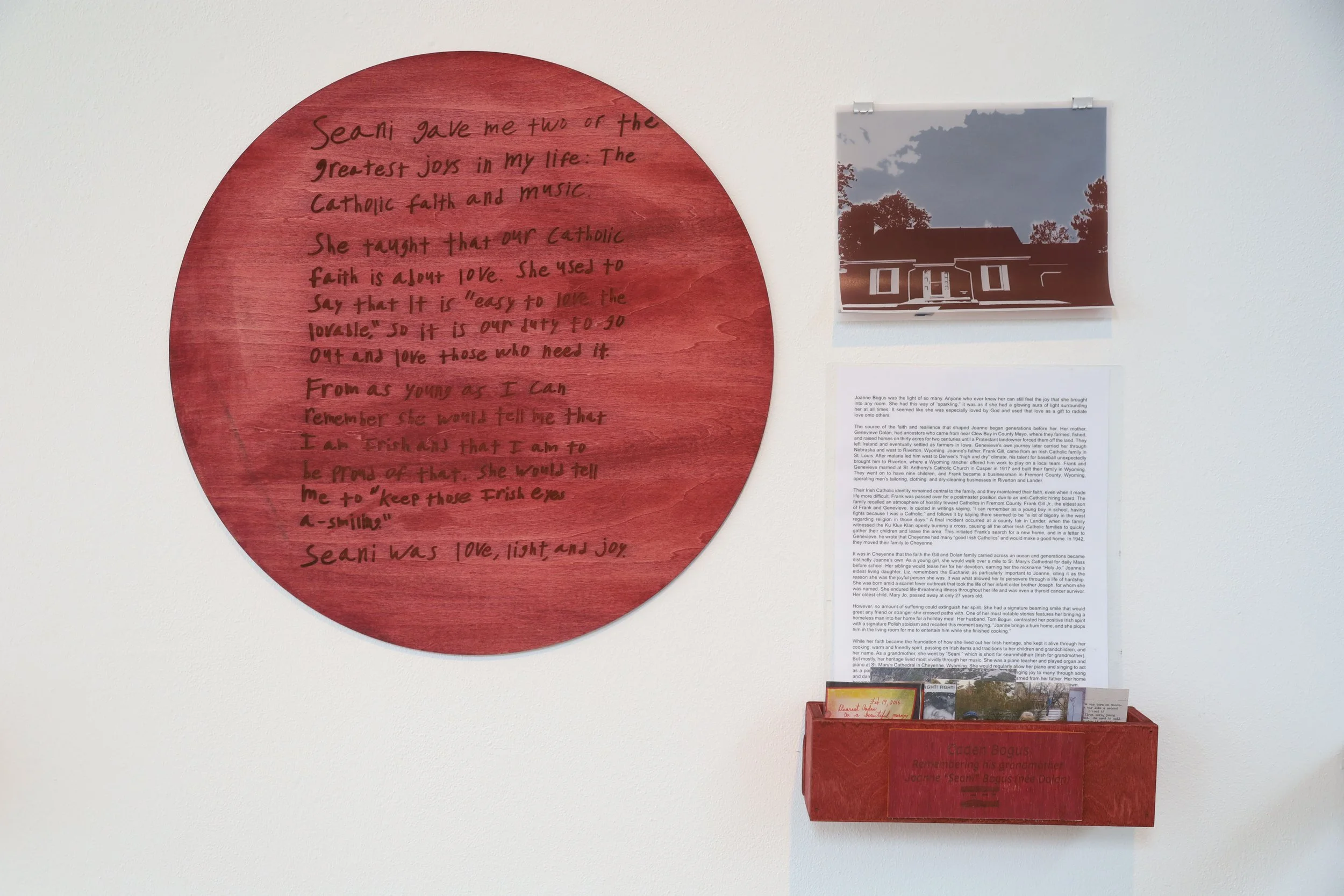
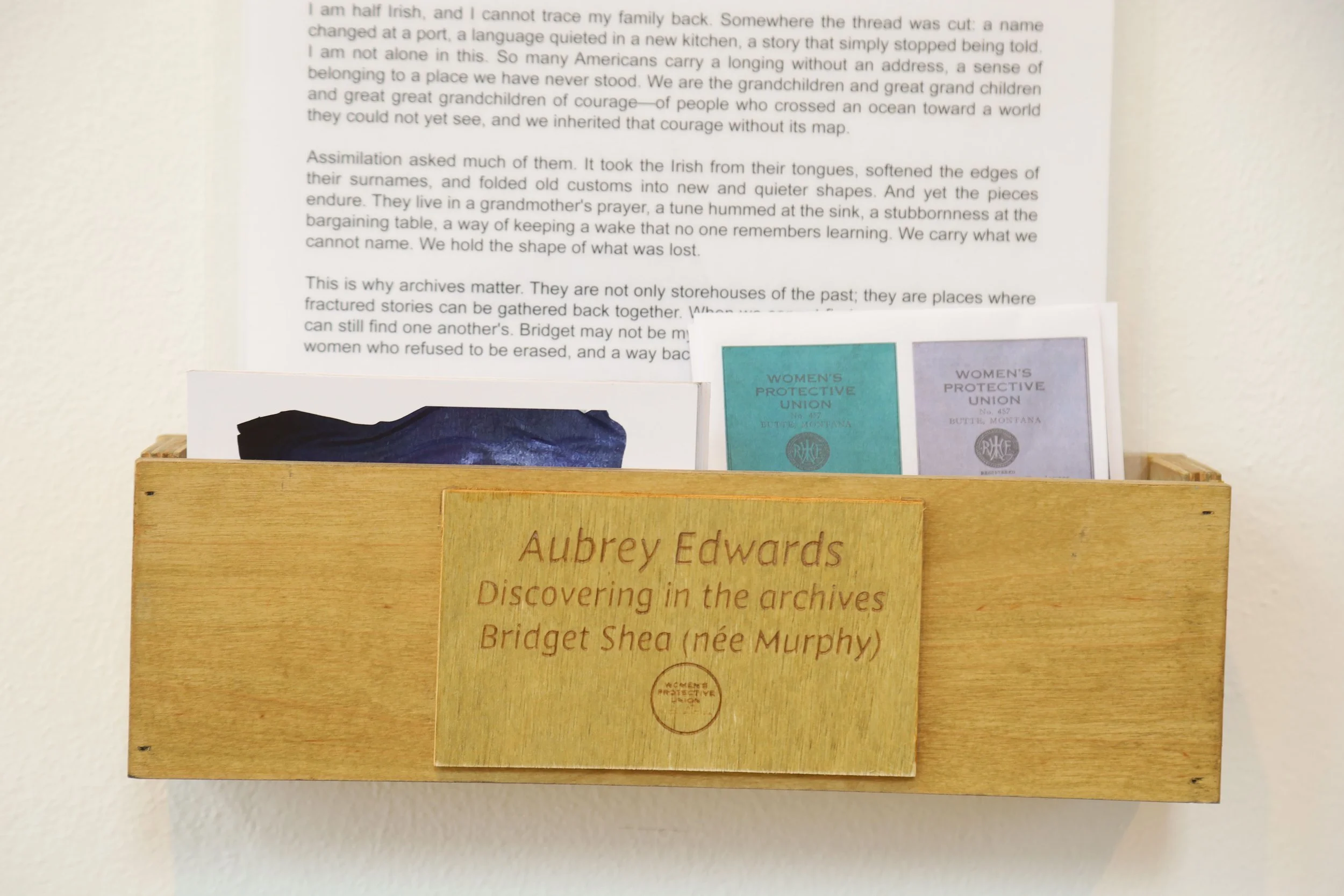
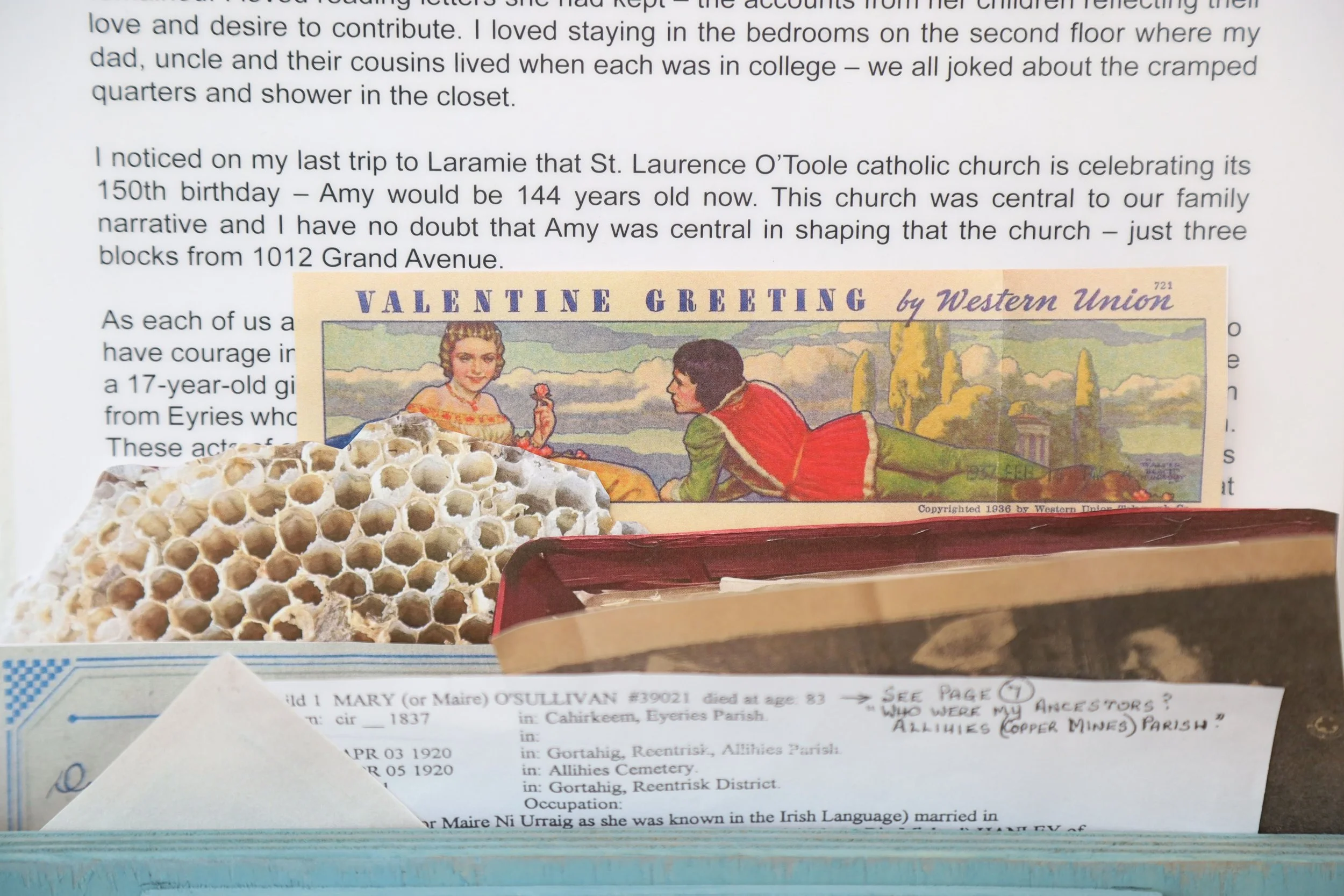
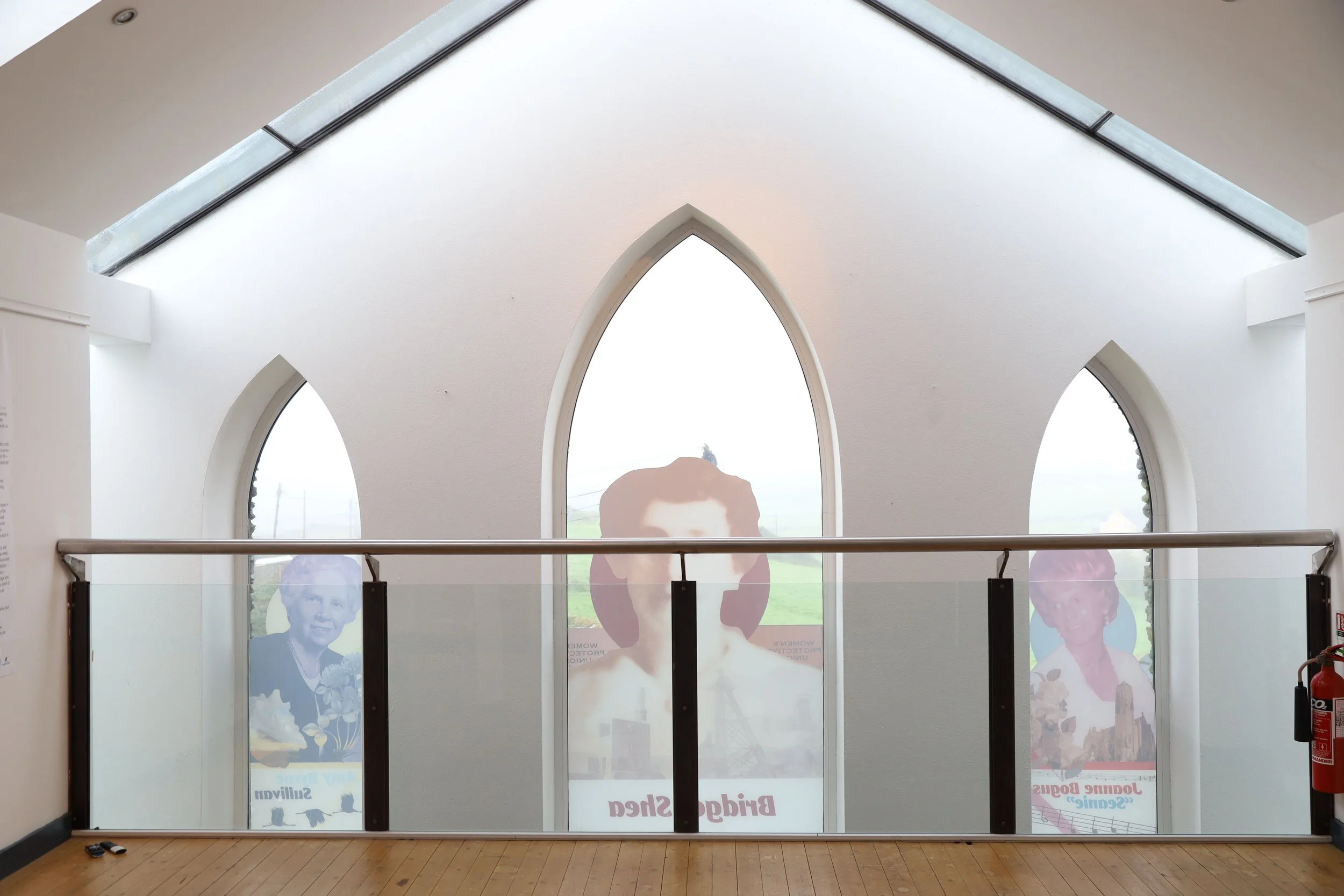
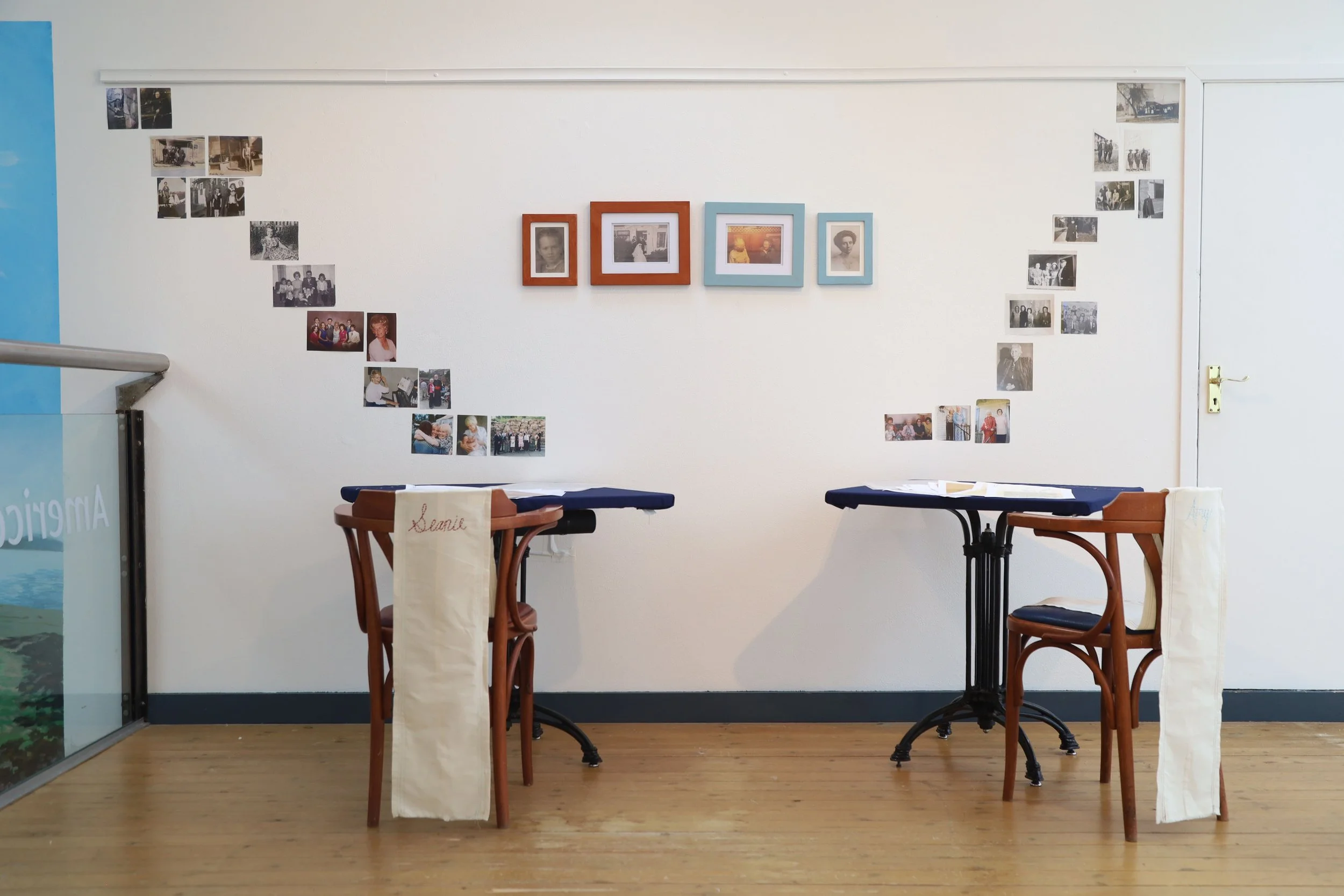
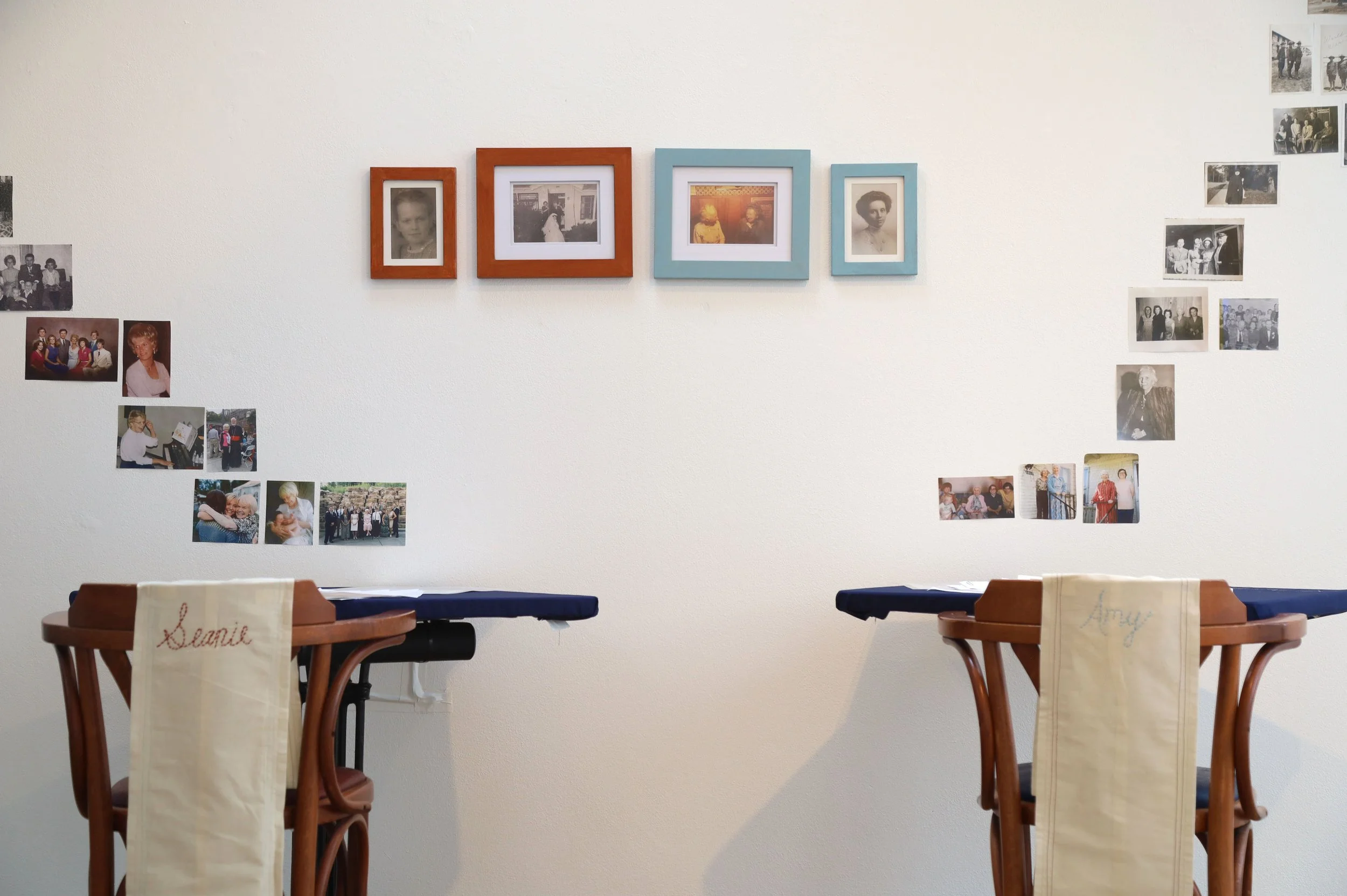
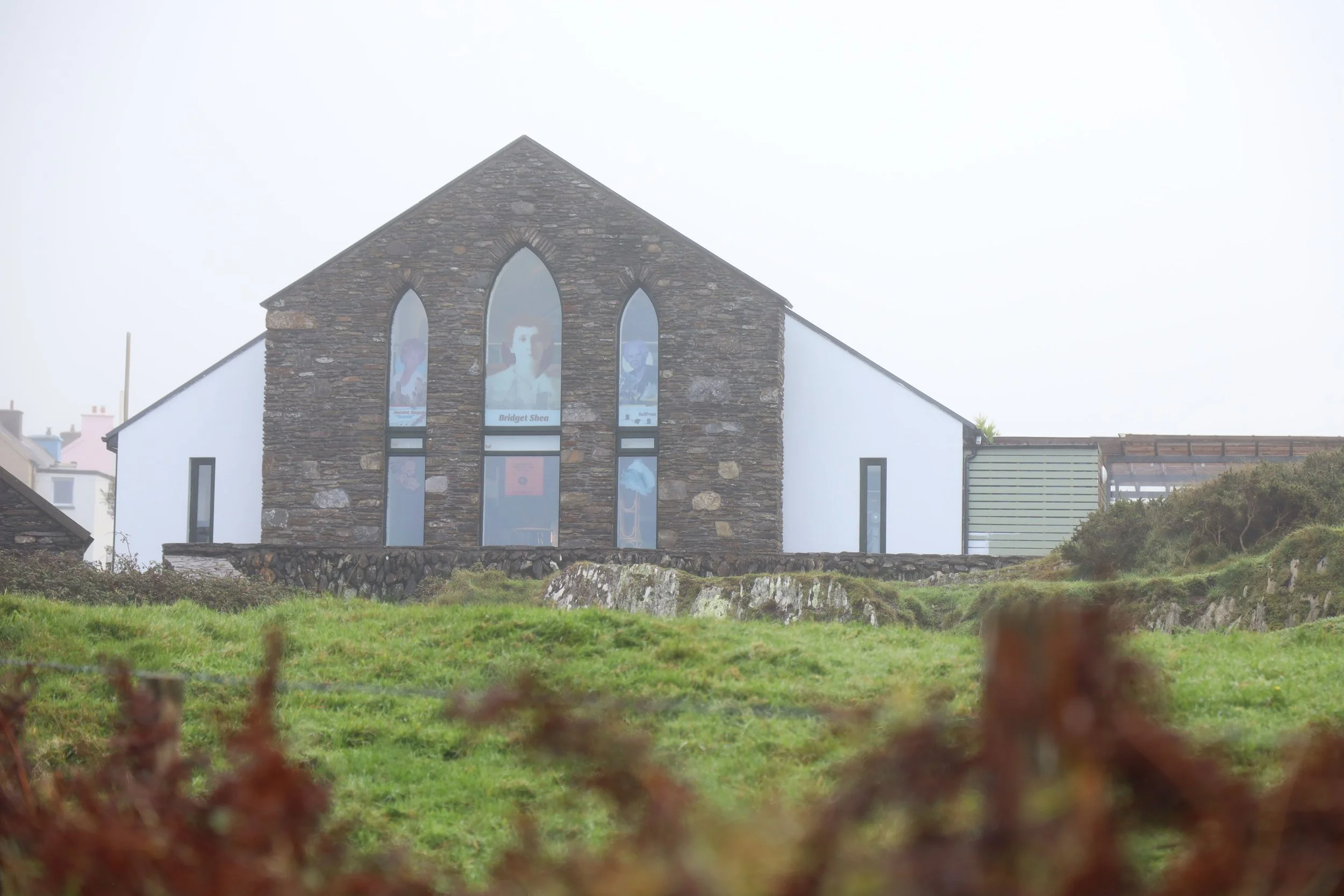
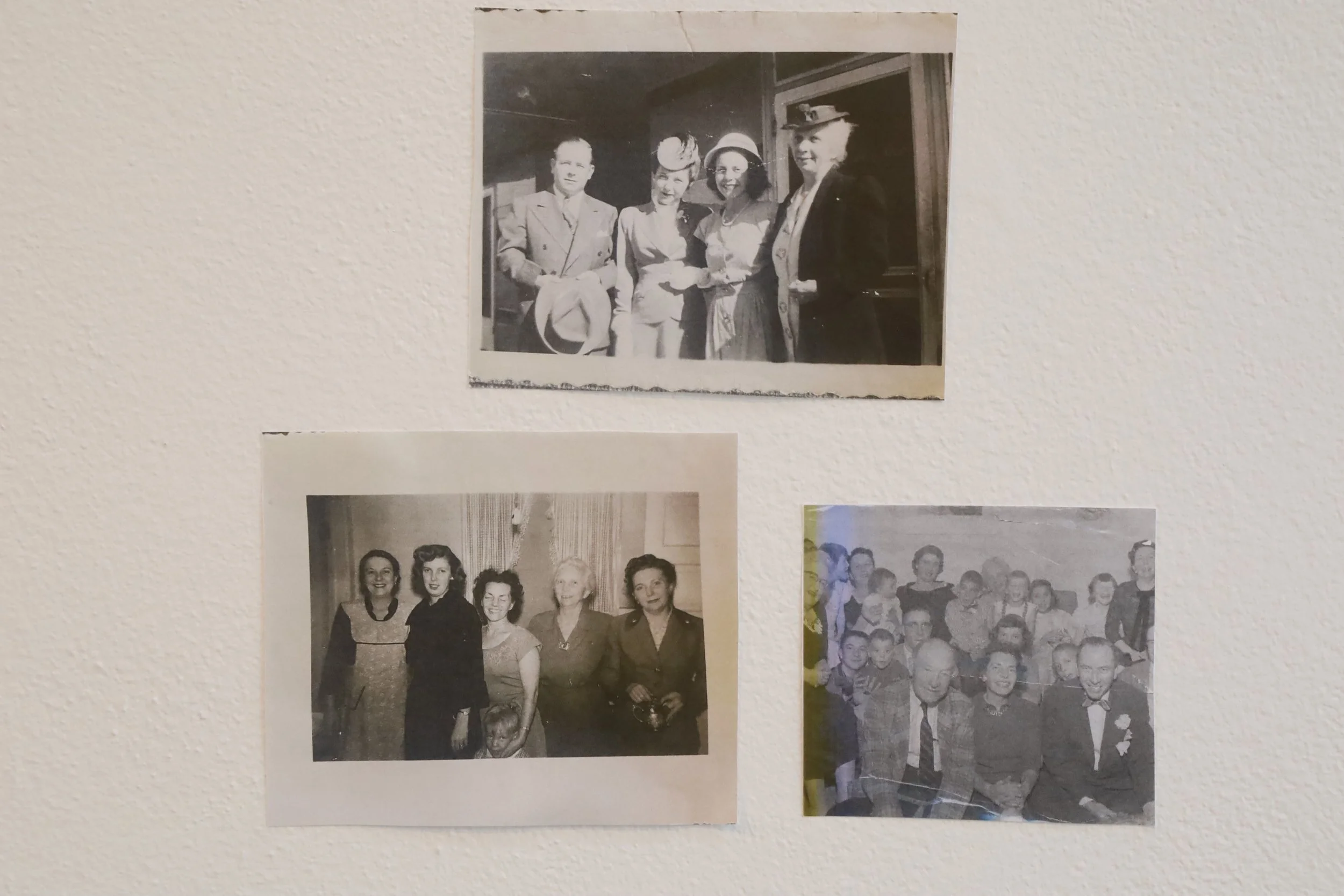
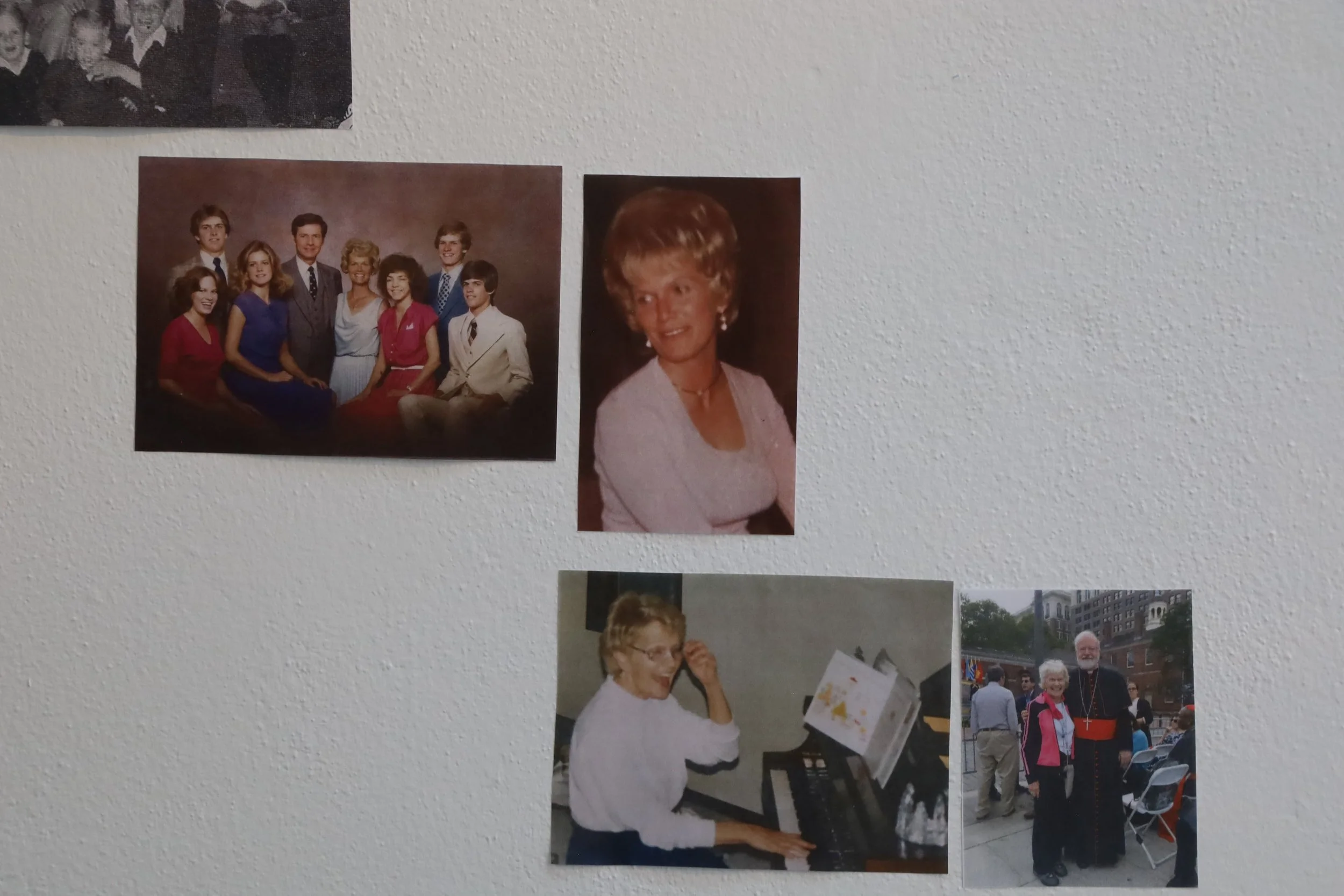
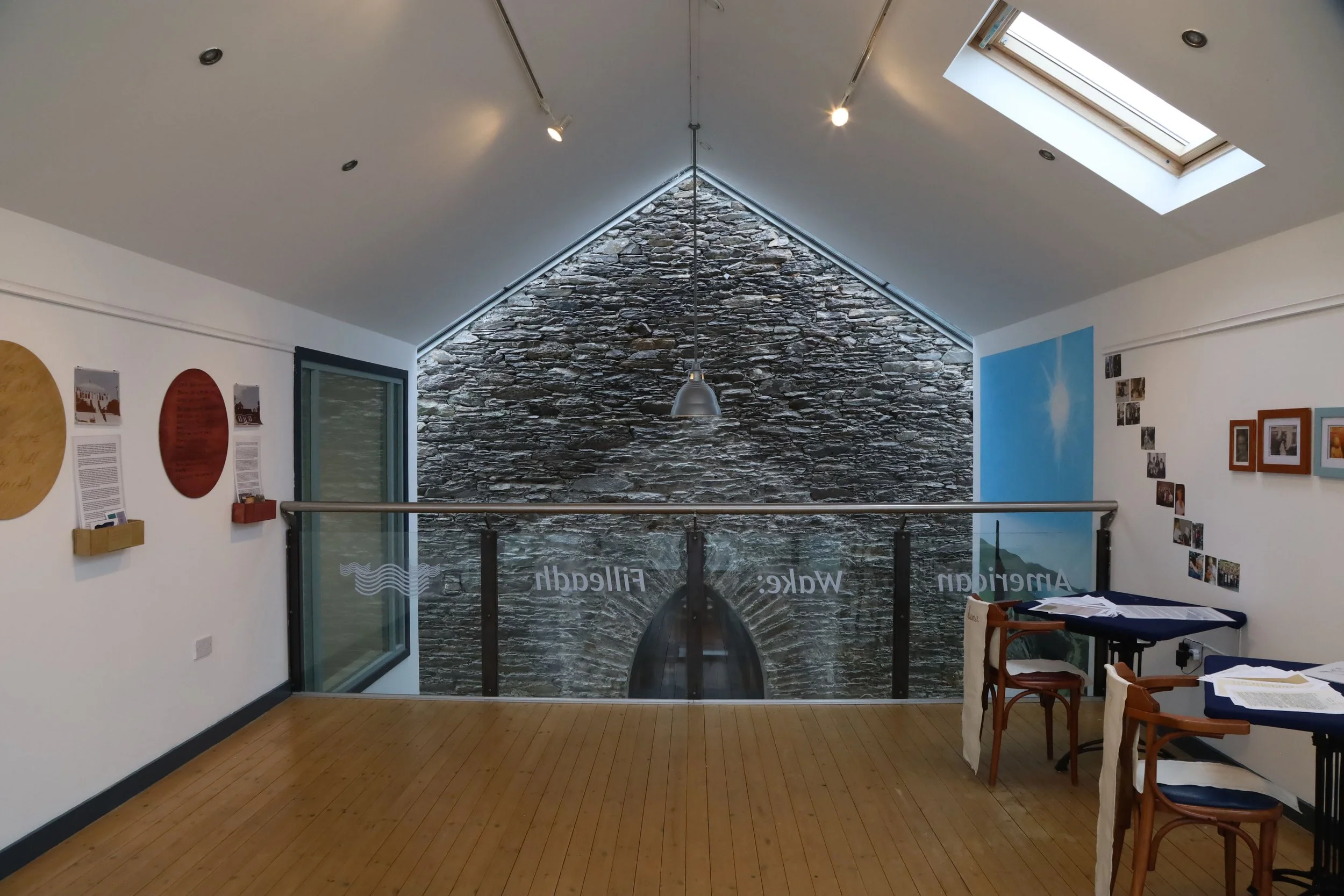
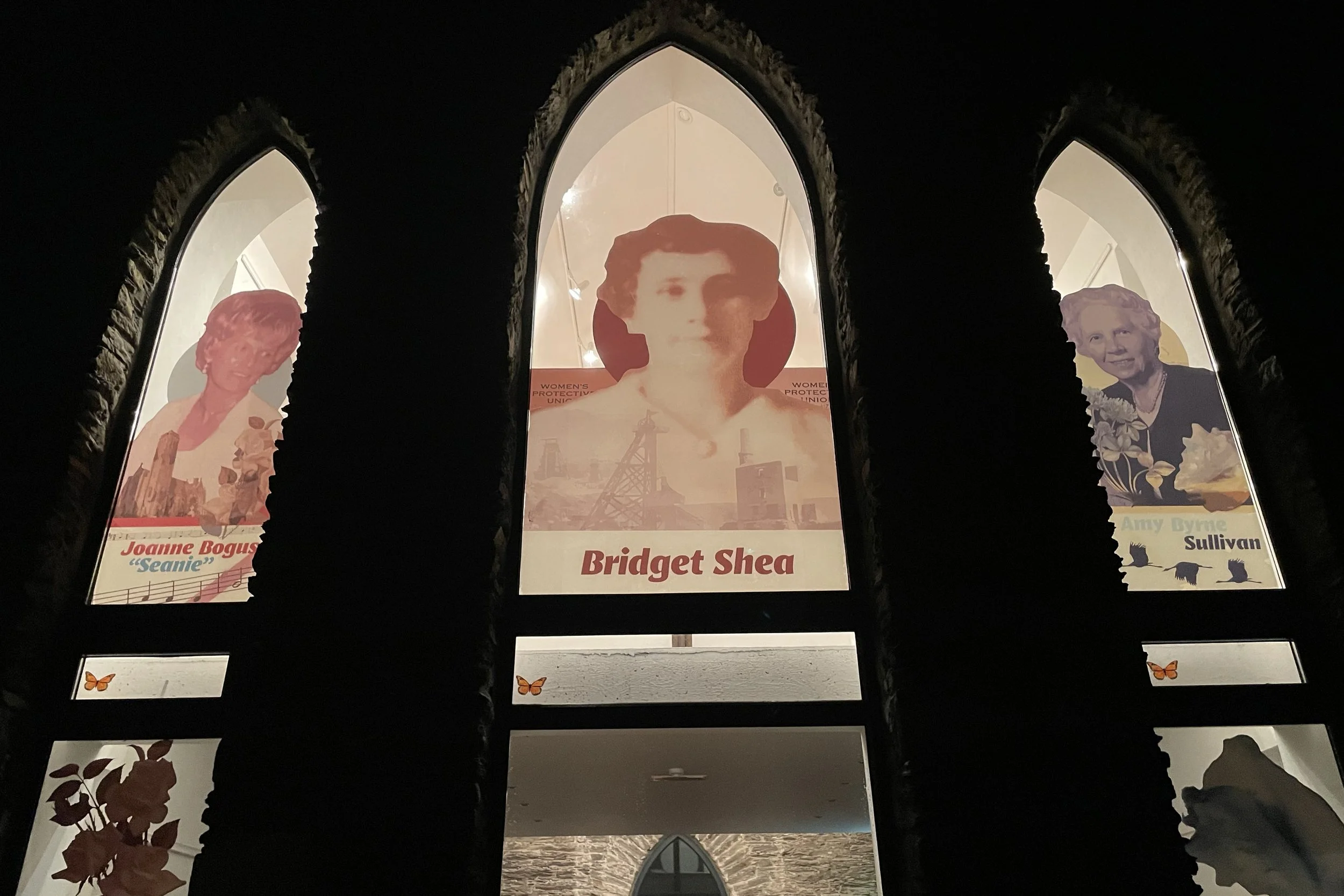
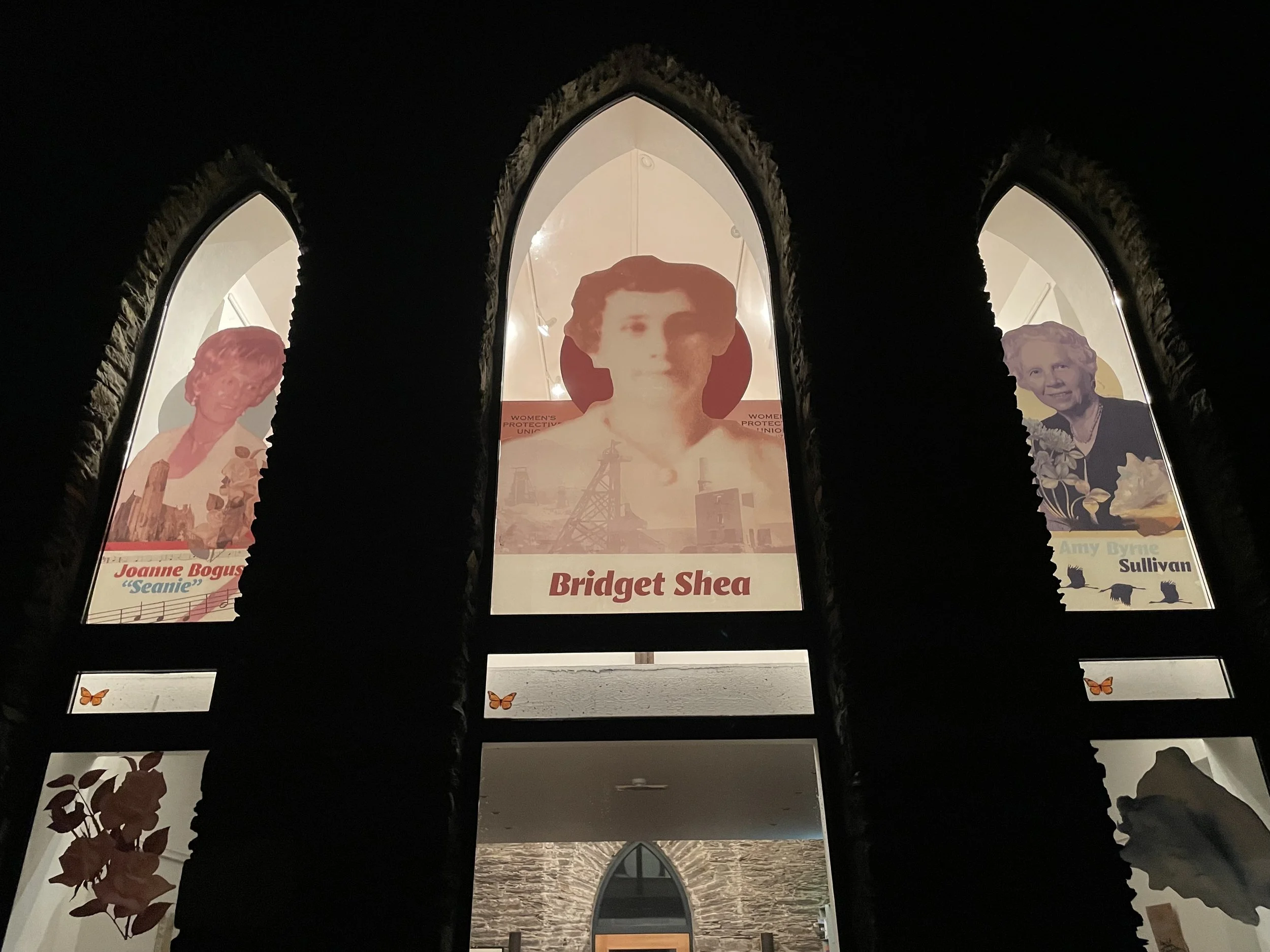
Filleadh is the Irish word for return. This installation stages the homecoming those wakes never imagined. At its center is the story of Bridget Shea — who emigrated from County Cork and became a labor leader in the copper mining city of Butte, Montana — carried back across the water to the community she left. Woven alongside hers are the family stories of descendants Caden Bogus and Michelle Sullivan, whose own inherited memories of leaving and staying gone become part of the installation itself. Opening simultaneously at the Allihies Copper Museum on the Beara Peninsula and the Butte Silver Bow Archives, with shared online programming linking the two sites, the project treats the monument not as an object but as a structure of connection: two rooms, an ocean apart, holding the same story, the same grief, and the same courage, at the same time.
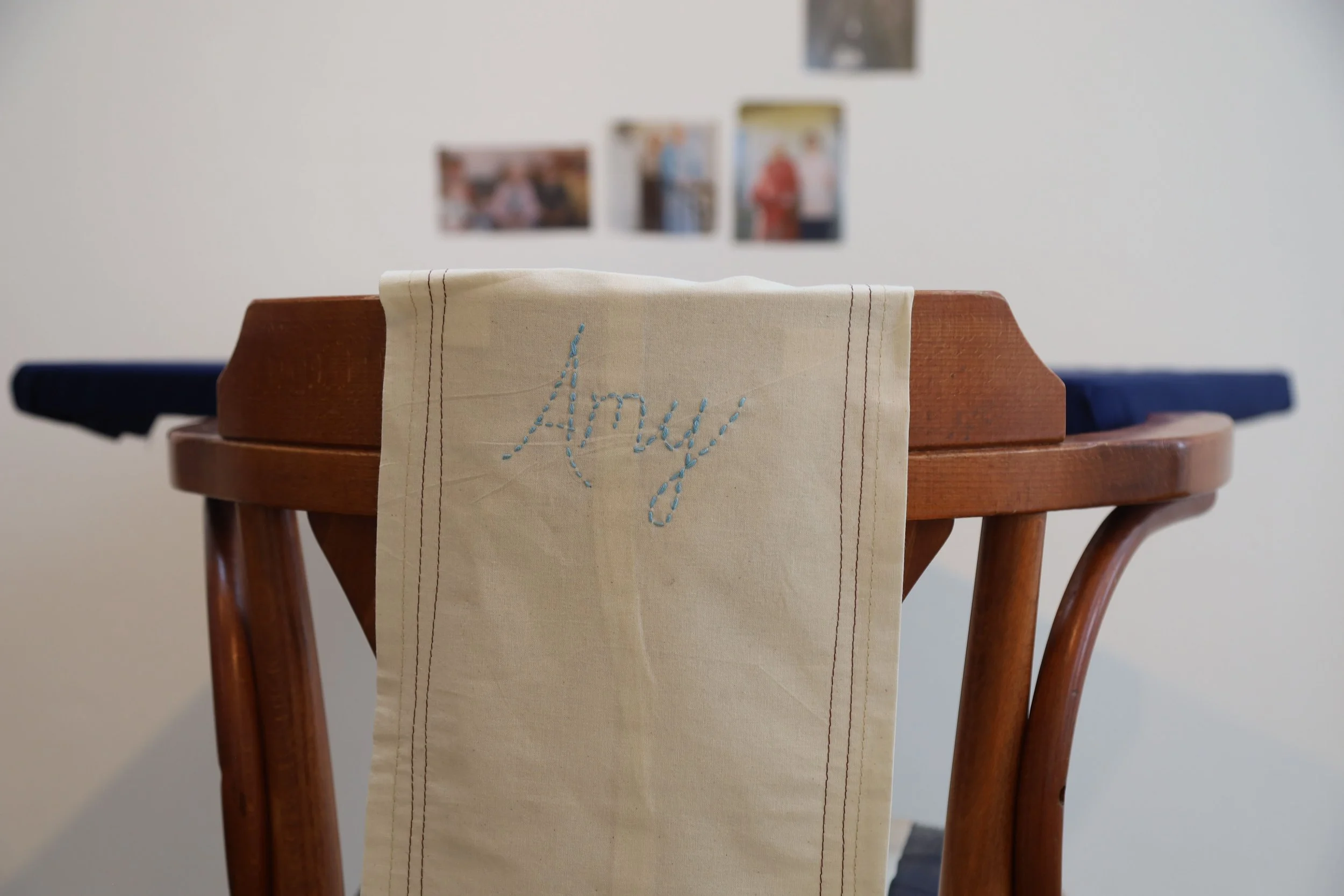
The Allihies side of the installation is staged inside the old miners' church on the Beara Peninsula — a building that once held the same community these women left behind, and the same faith they carried west with them. Bridget's own faith ran deep enough to pass down: her son became an Irish Catholic priest, carrying the family's belief into the next generation the way Amy carried her Belleek pottery and Joanne carried her rose cookies and her roses for St. Thérèse. To bring their stories back into that room is to let them physically occupy it again: to sit, however briefly, in the pews their own ancestors once filled, among the congregation that never stopped being theirs. It's in that church that Bridget, Amy, and Joanne are returned — not as names on a plaque, but as women given a seat back among their ancestors.
2026
Multimedia installationi at the Allihies Copper Mine Museum and the Butte Silver Bow Archives
Conceptualized in residency with Montana OPEN AIR